Speaking & Workshops
Integrating ELD, Special Education, and College Readiness to Empower Multilingual Learners
Presented an interactive session focused on integrating English Language Development, special education supports, and college and career readiness for multilingual learners with disabilities. Engaged participants in an immersive simulation that surfaced the challenges students face when navigating complex academic and career tasks in a new language.
Modeled practical strategies including language-rich career exploration routines, embedding college readiness into ELD instruction, scaffolding academic discourse, and organizing vocabulary by concept. Facilitated small-group problem solving around program integration challenges to ensure access to core instruction alongside targeted supports.
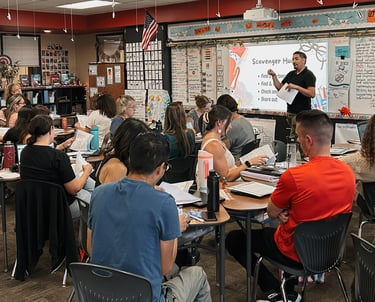
Bridging Language and Learning: Inclusive Practices for Multilingual Learners with Disabilities
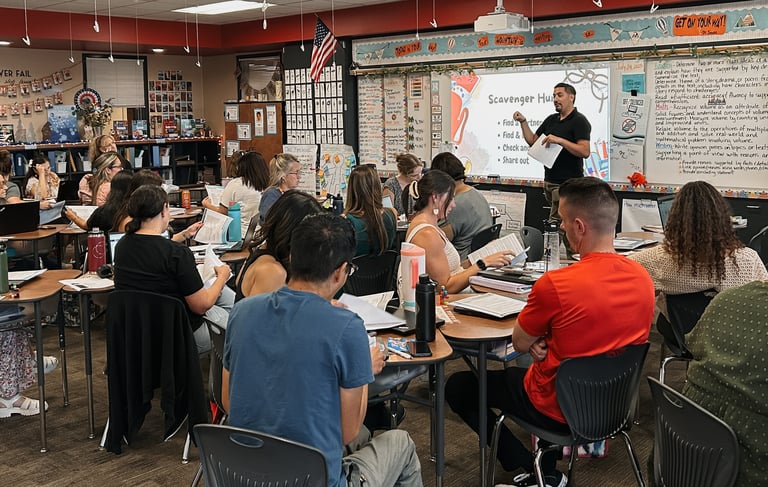
This session focuses on designing instruction where language development and learning happen together, not in separate systems. Participants engage in a short simulation that highlights the complexity multilingual learners with disabilities experience when navigating content, language, and support needs at the same time.
Building from that experience, the workshop introduces practical strategies such as dual-purpose objectives, UDL scaffolds, inclusive co-teaching models, and student-friendly progress trackers. Each approach is grounded in real classroom application and designed to support both access and rigor.
Participants work in small groups to redesign lessons and align language goals with IEP supports, leaving with a revised lesson, a ready-to-use toolkit, and a clear implementation plan. The session centers on creating more cohesive, effective learning experiences for multilingual learners with disabilities.
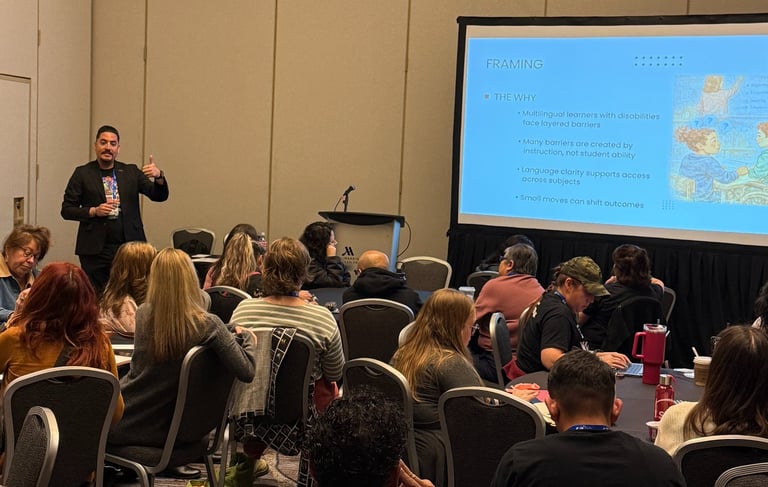
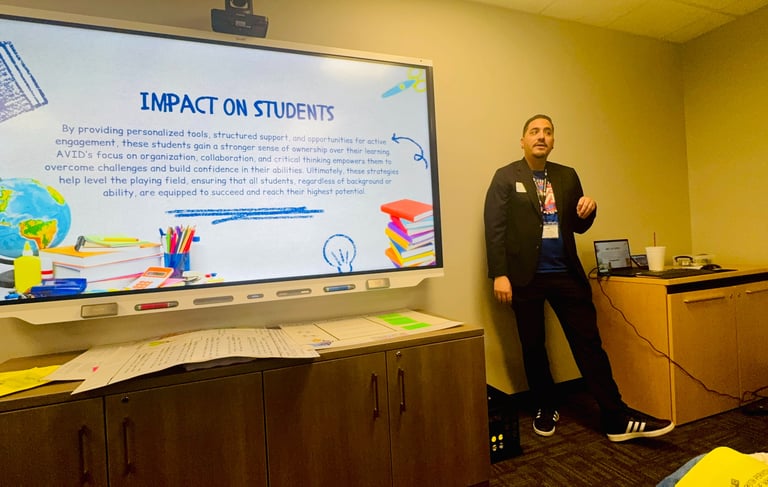
AVID & Special Education: Building Equity at the Elementary Level—Where Access Meets Rigor
This session focuses on designing AVID with intention so it works for every student, not just a select few. Grounded in UDL and Special Education best practices, the workshop explores how AVID strategies can be adapted to increase access, maintain rigor, and support diverse learners across TK–6 classrooms. Participants engage with practical approaches that connect systems, instruction, and student experience, with a focus on multilingual learners and students with diverse learning needs. The session reinforces a clear idea: AVID is not a program for some students, but a commitment to all.
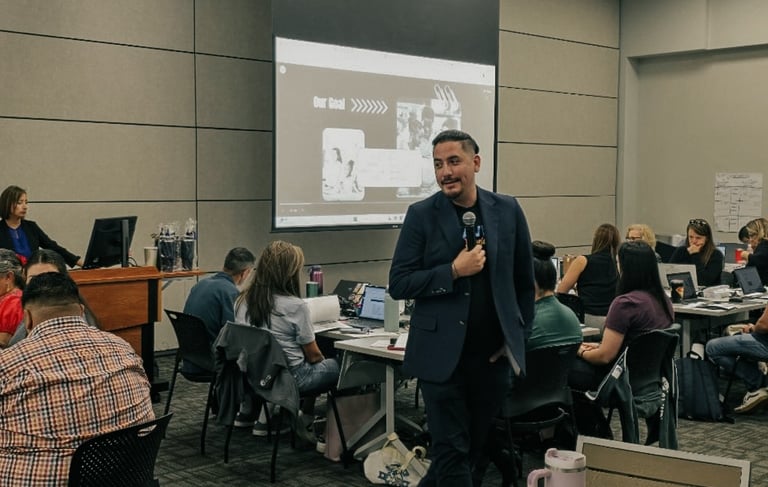
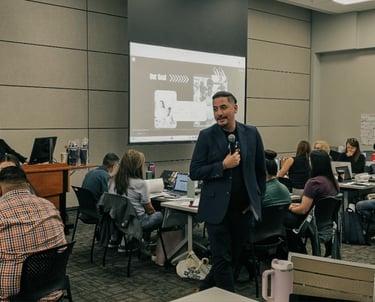
Building Foundations for Success: AVID Strategies for Early Learners and Diverse Learners
This session focuses on how AVID strategies can be adapted to support early learners and diverse students while maintaining rigor and engagement. Through the use of case studies, participants examine common assumptions about “successful students” and how those beliefs shape instructional decisions. Grounded in practical application, the workshop highlights how AVID strategies can be intentionally designed for TK–2 learners and scaled across TK–6 classrooms. Participants leave with concrete approaches and resources that support inclusive, high-quality instruction for all students.